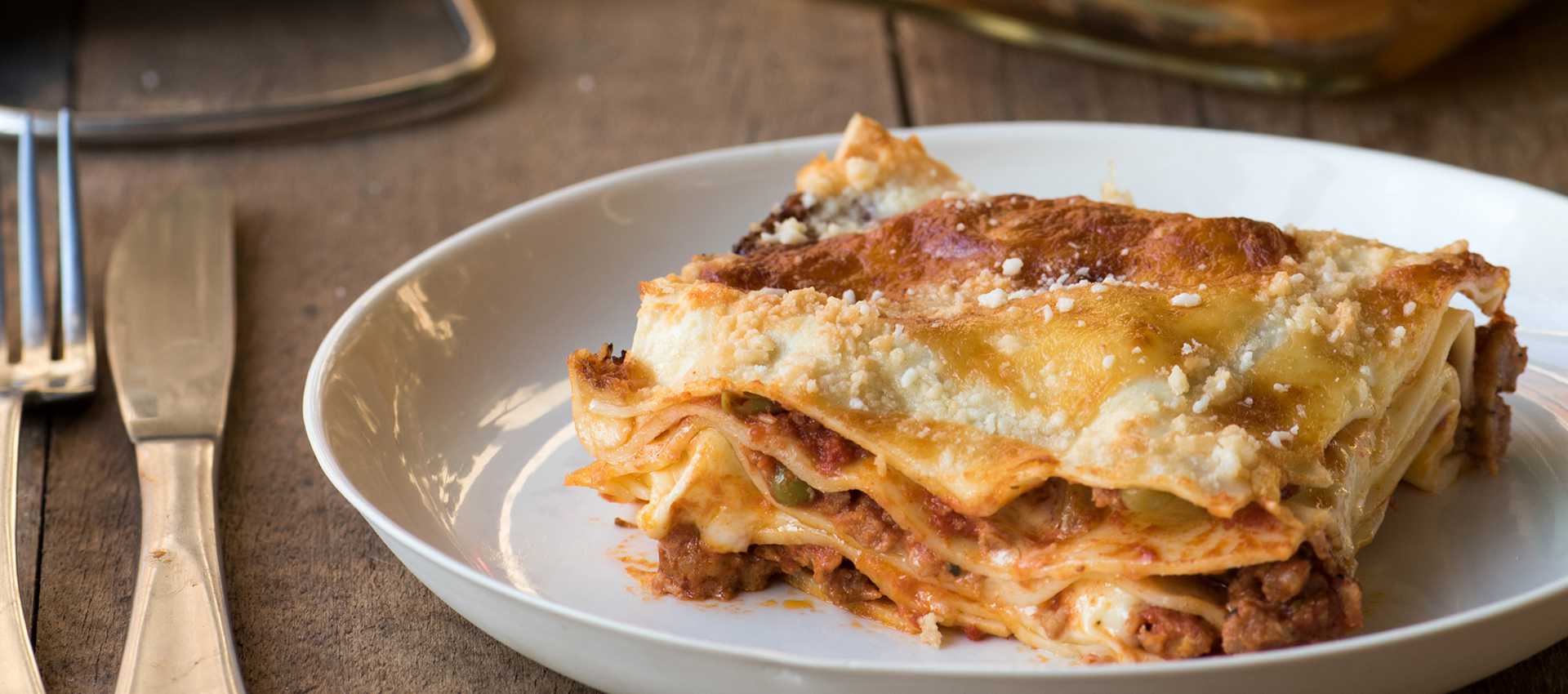
Lasagne is one of Italy’s most iconic dishes, and a steaming tray layered with rich sausage ragù and melted cheese is hard to resist when it comes out golden from the oven.
This version has a distinctive character: pork and fennel sausage brings savoury depth, peas add a touch of sweetness, and a hint of cinnamon gives the ragù unexpected warmth. Mutti Passata creates the smooth, velvety tomato base that ties the layers together, making every serving deliciously rich. This homemade lasagne is a perfect choice for a cosy family dinner.
Did you know?
Did you know?
Lasagne is a plural form meaning more than one sheet of lasagna.
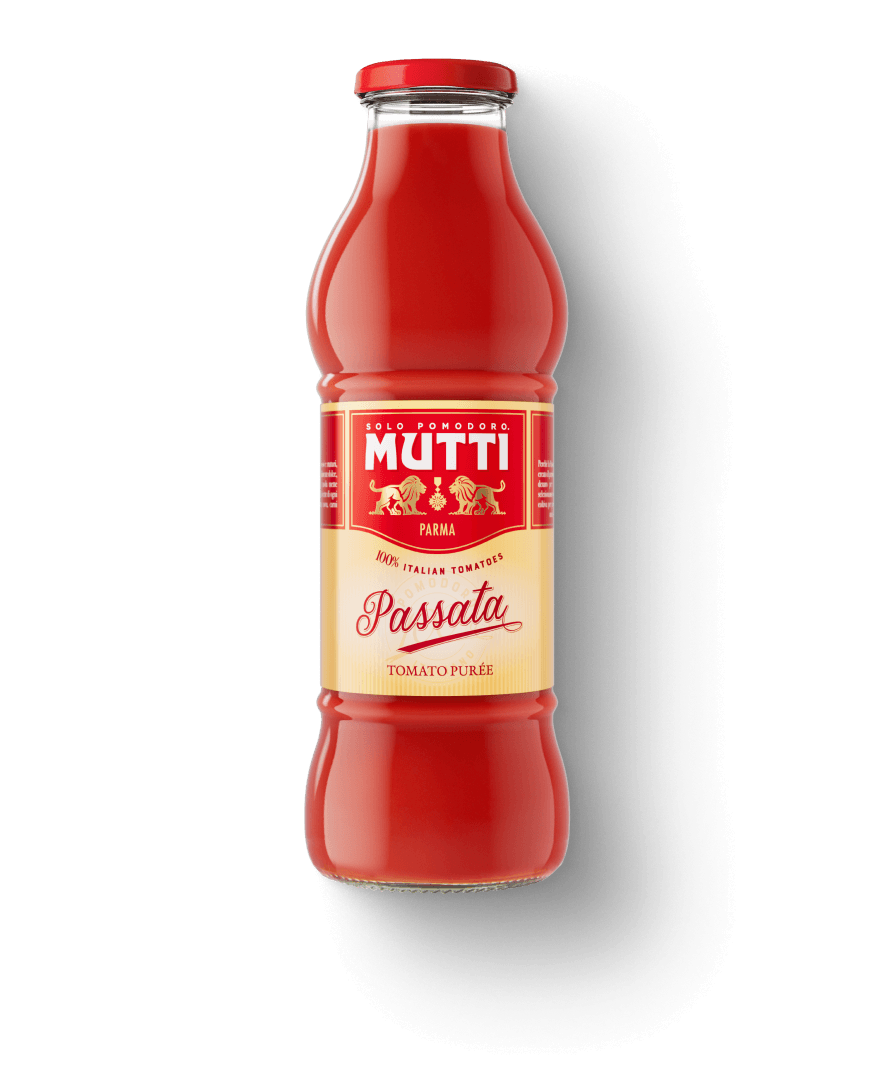
1
To make the ragù:
2
Remove the casings from the sausages and break up the meat into small pieces. Heat the oil on medium heat in a large frypan and add the pieces of sausage. Cook for about 5 minutes until the meat has cooked through, stirring every minute or so, then add the wine. Let that cook off.
3
Add the cinnamon, chilli and the Mutti Passata. Turn the heat down to low and allow the flavours to infuse as it cooks. After about 10 minutes, add the frozen peas and stir through. Stir occasionally, adding a bit of water if it looks dry. The sauce will take another ten minutes to cook after you have added the peas.
4
Season with salt and chilli. Set aside to cook whilst you prepare the pasta.
5
To make the lasagne:
6
Preheat the oven to 200C. Cook the lasagne in boiling water according to the instructions and lay on clean tea towels. Pat dry.
7
Grease an oven-proof dish with butter (mine measured 20 x 30 cm). Place a couple of spoonfuls of ragù on the base making sure it is well covered. Spread a layer of cooked lasagne sheets evenly on the ragù and scatter parmesan on top. Add some more ragù and a couple of teaspoons of cream. Then add another layer of pasta, scattering more parmesan and thinly sliced mozzarella on top. Repeat until all the ingredients have been used up.
8
Cover the top layer with mozzarella and parmesan cheese.
9
Place the dish in the oven and bake for 45 minutes. Remove from the oven, cover in foil and rest for another ten minutes before serving the lasagne.
Lasagne has been part of Italian food culture for centuries and is often traced back to the Middle Ages, although earlier forms of layered or sheet-like dough were already known in ancient Roman times. Today, it is one of the most famous and widely loved Italian dishes around the world. For many people, lasagne is also closely connected with childhood memories, family meals and the pleasure of gathering around the table, which helps explain why it remains such an enduring favourite.
There is no single way to prepare lasagne in Italy. Recipes vary considerably from region to region, reflecting local ingredients and culinary traditions.
Lasagne alla Bolognese, associated with Emilia-Romagna, traditionally features layers of fresh egg pasta, ragù, béchamel and Parmigiano Reggiano. Green lasagne sheets made with spinach are another characteristic of the Bolognese tradition. In the Marche region, a well-known variation is vincisgrassi, a rich baked pasta dish often prepared with ragù and béchamel in a more elaborate regional style. In southern Italy, variations may instead include ingredients such as ricotta, mozzarella, small meatballs or other local specialities.
For a plant-based alternative, discover our Vegan Bolognese Lasagne. It keeps the generous, layered character of a classic lasagne while replacing the traditional meat ragù with the rich Mutti Vegan Bolognese sauce. A satisfying option for anyone looking to enjoy the comfort of lasagne in a completely plant-based version.