Pierogi, Polish delicious pockets of stuffed pasta.
2 people
1
Boil the whole potatoes. Prepare the dough for the Pierogi by kneading flour, egg, and oil. Work the dough vigorously until you get a smooth mixture. Shape it into a ball and place it under a bowl for a "bell" rest of at least 30 minutes.
2
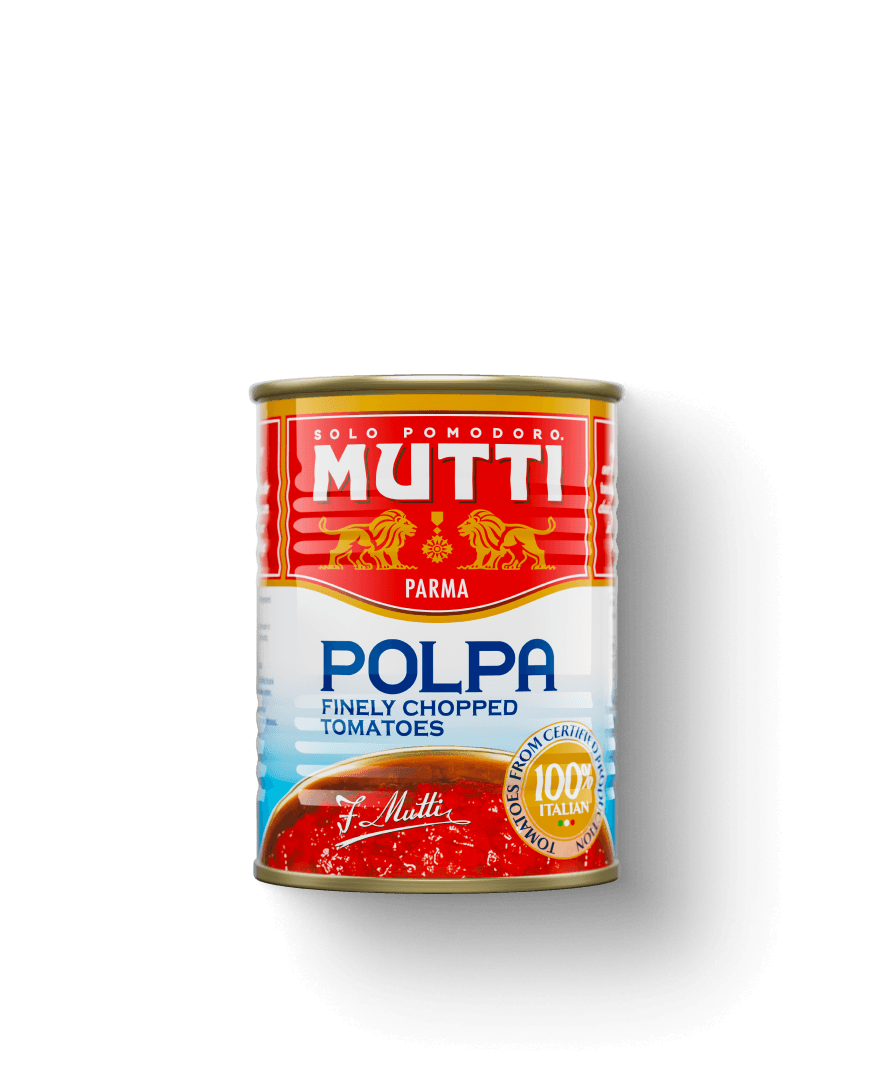
In a pan, heat the oil and add the chopped onion, then after a few minutes add the Mutti tomato Polpa. Season with salt and pepper, and cook for 8 minutes. Set the sauce aside.
3
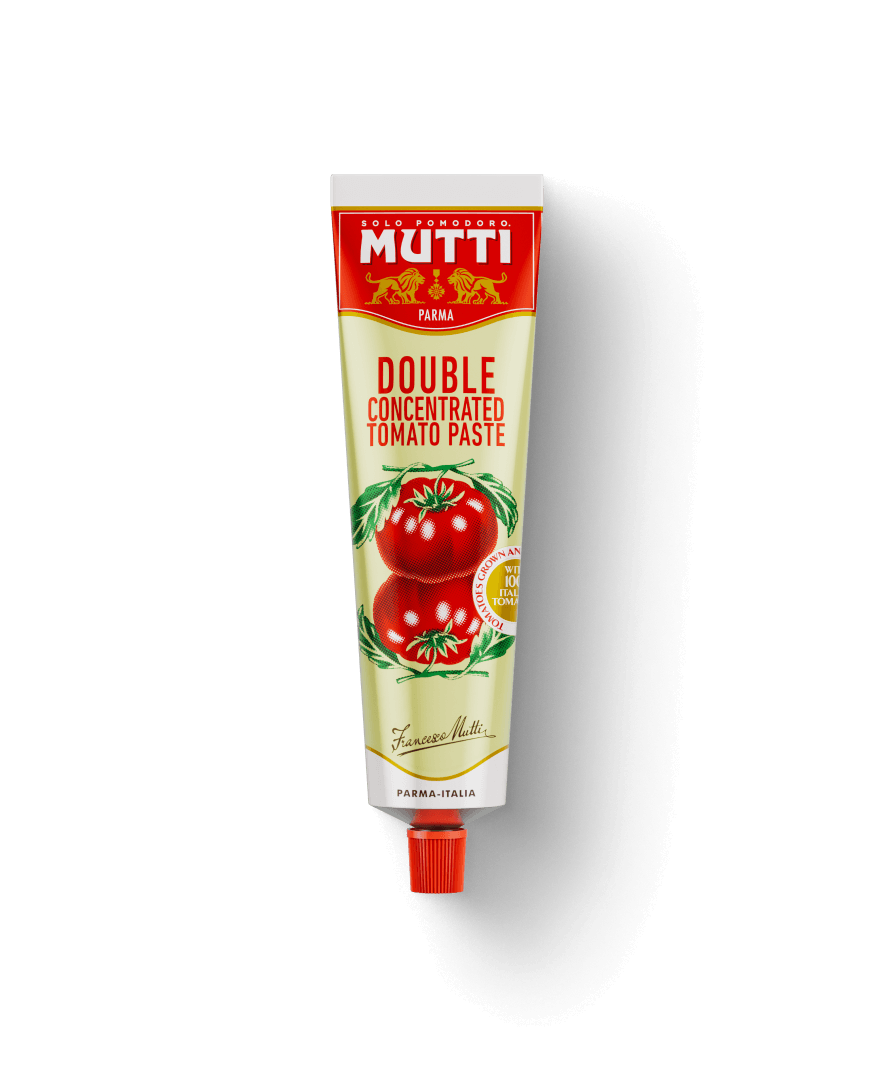
Prepare the filling by mashing the previously boiled potatoes, then add the softened butter, Mutti tomato paste, salt, pepper, and chopped mint. Mix well.
4
Roll out the dough and use a pastry cutter to make circles. Roll them out a bit more with a rolling pin and add a teaspoon of filling in the center. Moisten the edges with water and fold them into a half-moon shape, then seal with the tines of a fork.
5
Cook the diced bacon in a pan for a few minutes. Meanwhile, cook the Pierogi in boiling salted water. As soon as they float to the surface, drain them and place them in the pan with the bacon. Sear the Pierogi well on both sides.
6
Plate the dish by spreading the tomato sauce at the base of the plate and garnish it with sour cream. Place the Pierogi on the bed of sauce and sprinkle everything with chives.
From the traditional cuisine of Poland comes a dish that delights palates around the world: the famous Pierogi. These delicious pockets of stuffed pasta were originally considered food for the poorest classes and have traversed centuries to become a symbol of festivity and celebration. Indeed, the name “pierogi” derives from the ancient word “pir,” which means feast or joy.
Pierogi have ancient and controversial roots. For some, they date back to the 13th century and were brought to Poland from neighboring Ukraine. For others, their origins can be traced to journeys along the Silk Road: it seems that Pierogi actually arrived in Poland from China, and indeed the resemblance to Chinese dumplings is evident.
Traditional fillings include mashed potatoes, cheese, sauerkraut, or meat, but today we find modern variations with mushrooms, seafood, or even sweet fillings.
The Mutti version, all red, features the tomato concentrate as the star of the filling, adding an explosion of flavor to the Pierogi and a bed of sauce made from Mutti Tomato Polpa, which ties this dish together, making it unforgettable.